

Vertex Energy Plans 6,000 b/d of Conventional Group III in Alabama
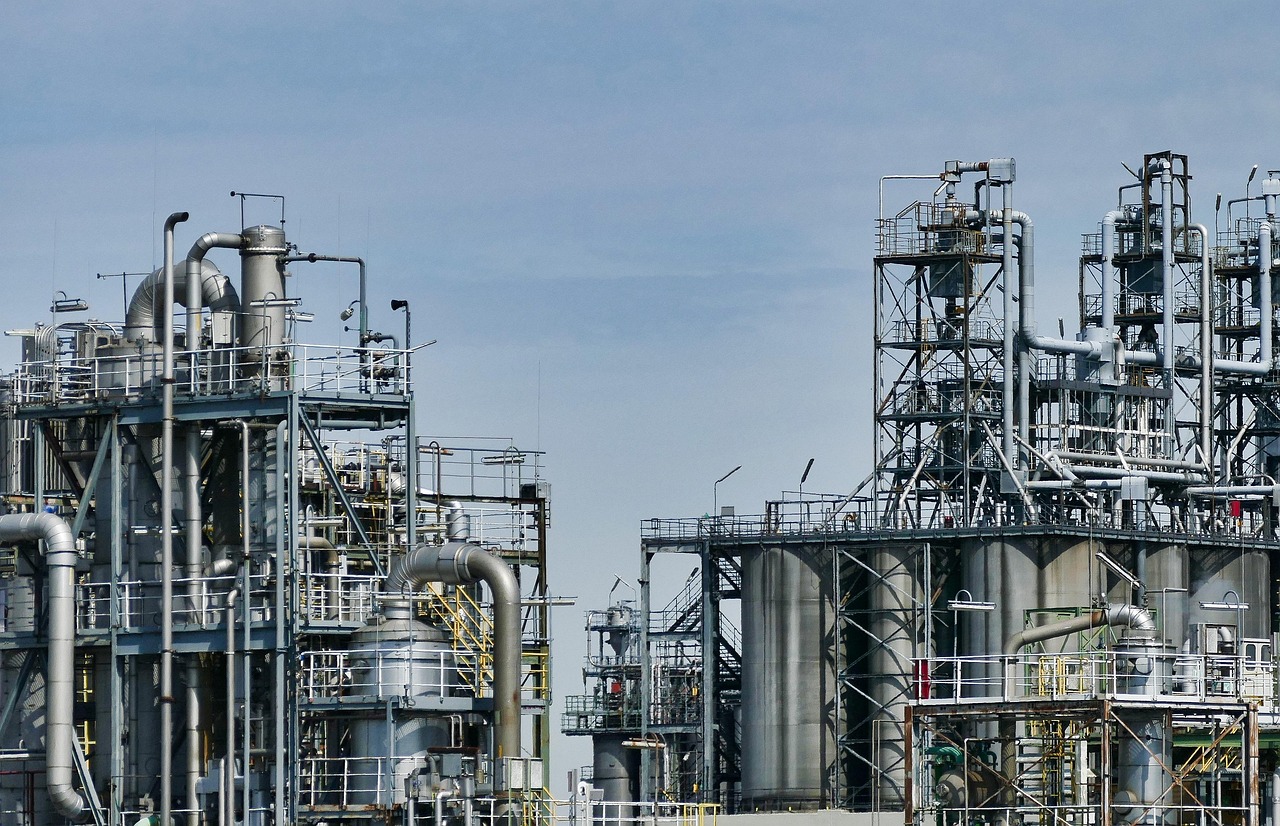
Vertex Energy is developing a conventional Group III base oil project at its refinery in Mobile, Alabama, built on crude-derived feedstock rather than re-refined used oil. The plan would add a domestic source of a grade that North American blenders have largely bought from outside the region. Its start date is far enough out that it belongs in medium-term planning rather than in the current supply conversation.
Project Scope
The design calls for 6,000 barrels per day of additional conventional Group III capacity at the Mobile site. Three grades are planned: 4 cSt, 6 cSt and 8 cSt.
The feedstock is hydrocracker vacuum gasoil that the refinery already produces. Nothing in the plan requires a new crude slate or an external supply arrangement, so the project is, in effect, a decision about where an existing intermediate should go and at what margin.
That choice shapes how the unit behaves once it is running. When fuel economics are stronger, a refinery has an incentive to send the same intermediate in a different direction, so conventional base oil output of this kind tends to follow the relative economics of the two products rather than run at a fixed rate.
Taken together with the company's existing re-refined Group III output, Vertex expects the project to make it the largest Group III producer in North America. Preliminary design work is complete and the high-pressure lube hydrotreater has been ordered, with production of conventional Group III targeted for 2029.
The sequence is worth reading closely. Ordering long-lead process equipment is the point at which a study becomes committed spend, even though the start of production remains years away.
Two Routes to One Grade
Group III supply in North America now arrives by two routes. One is re-refined material recovered from used oil. The other is conventional production from a crude-derived feedstock, which is the route this project takes.
For a buyer, the distinction is not academic. Documentation, approval history and demonstrated batch consistency differ between the two, and a formulation qualified on one route is not automatically interchangeable with the other.
A supplier that can offer both under a single commercial relationship has more answers for customers working through sustainability requirements and performance requirements at the same time. It also gives procurement a second option when one route is disrupted, which is a different kind of value from a lower price.
Imports and Benchmark Pricing
North American Group III supply has historically depended on imports and on a small number of domestic producers. That is why most of the continent's Group III is priced off Asian and Middle East benchmarks rather than a local reference.
A new domestic barrel does not change that overnight. Pricing structures, contract terms and index linkages carry long tails, and a benchmark does not move simply because a producer has announced capacity.
What it changes is the set of alternatives available to a blender specifying a 4 cSt or 6 cSt stock. Alternative supply is what a procurement team negotiates with, and even a future alternative has some value at the table.
Benchmark pricing also has a behavioural effect. When a region's prices are set elsewhere, buyers and sellers spend much of their time arguing about differentials rather than about the level itself. Local production does not end that debate, but it adds a reference point to it.
Timing Against CL-4
The 2029 date is the part easiest to misread. A 2029 start means this volume will not be available during the current period of tight Group III supply.
Buyers planning formulation changes against API CL-4 timelines should treat the project as future optionality rather than near-term relief. Any capacity or qualification decision that assumes this barrel will be there has to be scheduled against a 2029 start, not the next contracting round.
That is a scheduling discipline rather than a judgement on the project itself. Announced capacity has a way of being read as available capacity, and the gap between the two is where procurement plans break.
There is a second timeline running in parallel. A new base stock has to be qualified before a formulation built on it can carry a licensed claim, and qualification consumes test slots and engineering time at the blender. The useful question is therefore not only when the barrels arrive, but when a product using them can be approved, tested and put in front of a fleet.
The Broader Signal
Refinery value optimisation is the quieter point. A refiner holding hydrocracker vacuum gasoil decides whether that intermediate becomes fuel or base oil, and the calculation shifts as fuel cracks and base oil spreads move against each other.
Ordering a high-pressure lube hydrotreater is a long-lead commitment, and in this case it indicates which side of that calculation won. For blenders, the practical takeaway is to track such projects by start date and by grade, rather than as general news about capacity arriving in the region.
Bottom line
Vertex Energy's Alabama project would add conventional Group III production to a market that has leaned on imports, and would place the company in both conventional and re-refined supply. For blenders it is a 2029 alternative to plan against, not near-term relief from a tight market.
Related news

Group III Base Oil: What a 235% Reference-Price Move Tells Blenders
Delegates at the Asian Lubricant Exhibition in early September were shown a set of trading indications that few buyers had planned for at the start of the year.…
Read more
China Base Oil Spot Gains 7.6% in a Week as September Costs Bite
Chinese base oil spot prices accelerated into September, and the pace of the move has reset cost assumptions across the downstream chain. Monitoring data for 2 September put…
Read more
HF Sinclair to Separate Lubricants Arm and Close Canada’s Largest Base Oil Plant
HF Sinclair has announced that it intends to separate its lubricants and specialties business into an independent listed company, and to close its base oil refinery in Mississauga,…
Read more