
IPAC Opens Additive Plant on Singapore’s Jurong Island
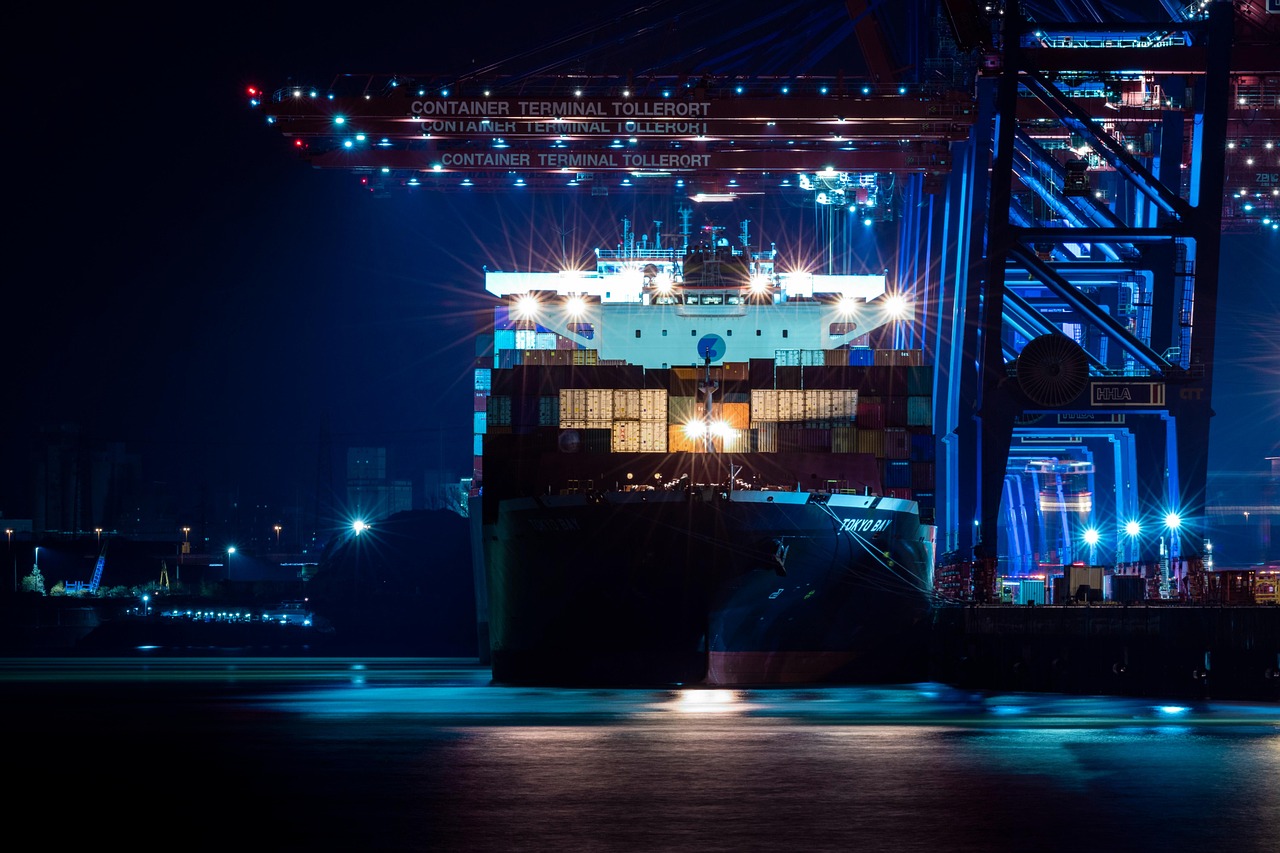
International Petroleum Products and Additives Company, known as IPAC, has opened a production base in Singapore, extending a manufacturing network that previously covered North America and Europe into Asia. The site is on Jurong Island, Singapore's energy and chemicals manufacturing hub. For additive buyers across Asia-Pacific, the significance lies less in the opening itself than in what a third production region does to lead times and to the number of qualified sources a blender can hold.
From Two Regions to Three
IPAC describes the Singapore site as a significant investment in its Asia-Pacific business, one that places production closer to regional customers. It is also the latest step in a plan that has been running for more than a decade: since establishing European production capability in 2015, the company's stated objective has been a global supply system that serves customers regionally rather than depending on a single plant. With Singapore in operation, that network spans North America, Europe and Asia.
Three regions is a different operating model from two. A supplier with two plants ships long distances to at least one of its markets and carries the lead times, freight exposure and documentation burden that come with it. A supplier with three can shorten the physical distance to a market without necessarily changing the product. For buyers in Asia-Pacific whose orders currently arrive from North America or Europe, that is the part of the announcement that matters.
Why Jurong Island
The location is not incidental. Jurong Island concentrates Singapore's chemicals manufacturing infrastructure, and IPAC cites four specific reasons for choosing it: strategic position, chemicals infrastructure, feedstock access and logistics. Each addresses a different part of the supply problem. Feedstock access affects what the plant can make and at what cost. Infrastructure affects how quickly it can be built out. Logistics affects how fast finished product leaves.
Singapore's position also matters for a customer base that IPAC describes as spanning Australia, India and the Middle East. Those markets are geographically dispersed, and no single port is ideal for all of them, but a regional hub shortens the average distance compared with shipping from North America or Europe.
What the Site Can Do
The plant supports a range of production activities, including component synthesis and additive package blending. Those two capabilities sit at different positions in the chain: synthesis produces the components that go into a formulation, while package blending combines them into a finished additive package that a lubricant blender can dose directly.
Having both under one roof changes what a regional plant can be used for. A blending-only site can serve volume and logistics needs but depends on components produced elsewhere. A site that also carries out synthesis can respond to formulation requirements locally. IPAC says it is assessing further growth options, including additional tankage and production capacity, which indicates the current footprint is intended as a starting position.
Qualification, Not Announcement
For blenders, the practical value of a new regional additive source lies in qualification rather than in the announcement. What matters is whether the plant can produce the specific product to the specification already approved, whether the batch data coming out of it is consistent, and whether logistics out of Singapore fit the delivery windows and documentation requirements of the end market.
None of those questions is answered by an opening date. They are answered by the first qualification batch and by the second, which is why second-source approvals usually take longer than the plants that make them possible. The company also says customers in the region will have access to local sales, customer service and technical support resources in Singapore, which shortens the response path when a formulation problem has to be worked through.
What Changes for Buyers
Regional production is presented as improving supply reliability and shortening lead times compared with shipping from North America or Europe. It is also described as helping the cost structure and feedstock access, and as supporting the company's objective of providing a consistent, standardised product line to customers wherever they are located.
The resulting effect for a procurement team is optionality. A third production region gives a blender another route to the same approved product, which is useful when freight routes are disrupted or when a European or North American plant is fully committed. Optionality becomes real only after qualification, so the logical next step is to ask which grades the Singapore plant can make to an already-approved specification and what the batch documentation looks like.
Bottom line
IPAC's Singapore plant extends an additive manufacturing network from two regions to three and puts production closer to Asia-Pacific customers. The announcement changes lead-time potential immediately, and supply security only after qualification is complete. Blenders should treat it as a reason to open a second-source file, not as a reason to change a formulation.
Related news
Afton Launches Heavy-Duty Additive Platform for API CL-4 and FB-4
Afton Chemical has introduced a new generation of heavy-duty engine oil additive technology built for the upcoming API CL-4 and FB-4 categories, known during development as PC-12A and…
Read more
Lubrizol Begins CV1700 Shipments Ahead of API CL-4 Licensing
Lubrizol has launched the CV1700 series, a heavy-duty engine oil additive solution developed for the next generation of API diesel specifications, and has begun shipping in North America…
Read more
Clariant Opens Two Additive R&D Laboratories in China
Clariant has opened two research and development laboratories in China for its additives business, and for the first time the Swiss specialty chemicals group can synthesise flame retardants…
Read more